


History of Podgora
From prehistoric stone mounds below Biokovo to a fishing village by the sea and one of the oldest resorts on the Adriatic.
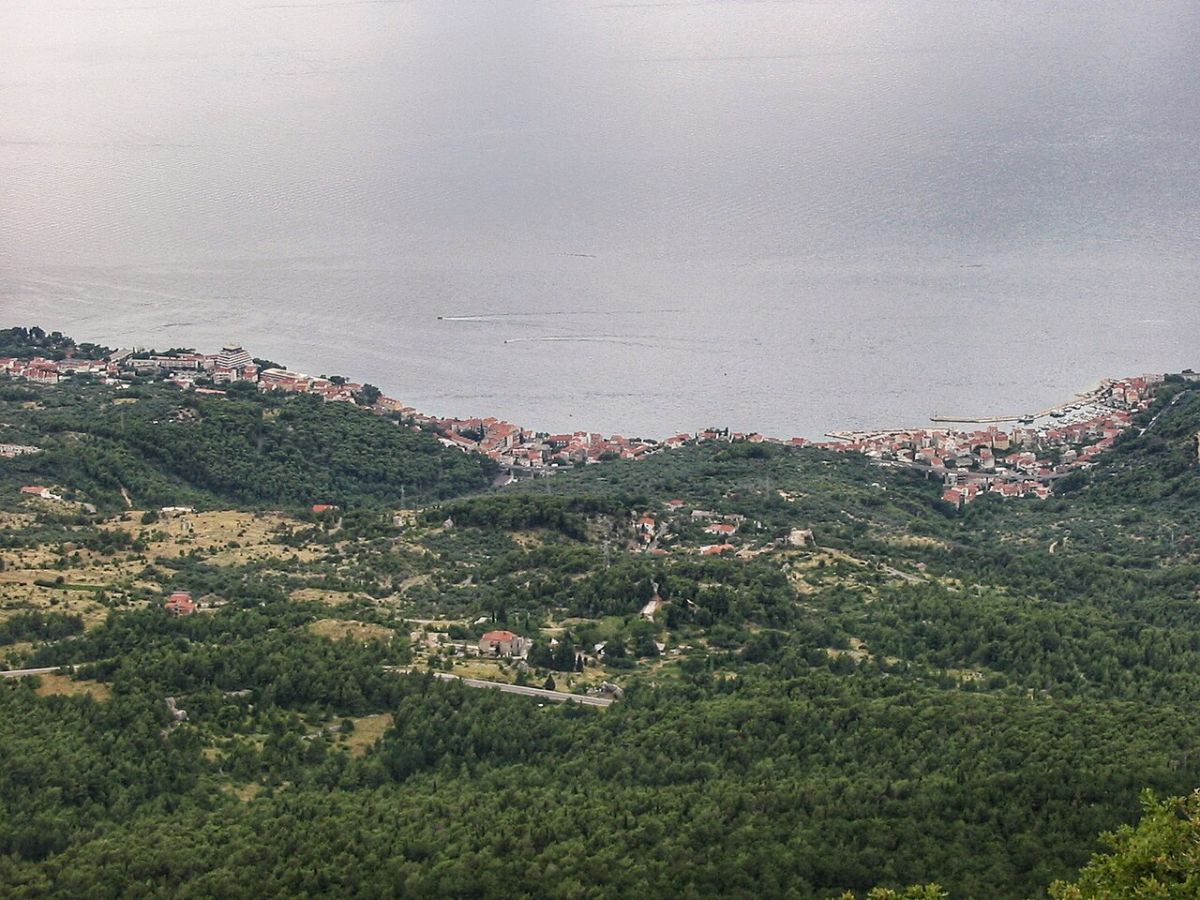
Podgora takes its name from its position – pod gorom, “below the mountain”. For thousands of years the steep slopes of Biokovo sheltered its people from enemies and the cold northern winds, while the sea gave them fish, trade and, much later, visitors from all over the world. Here is the story of how a hillside hamlet became the Podgora you know today.
The first settlers below Biokovo
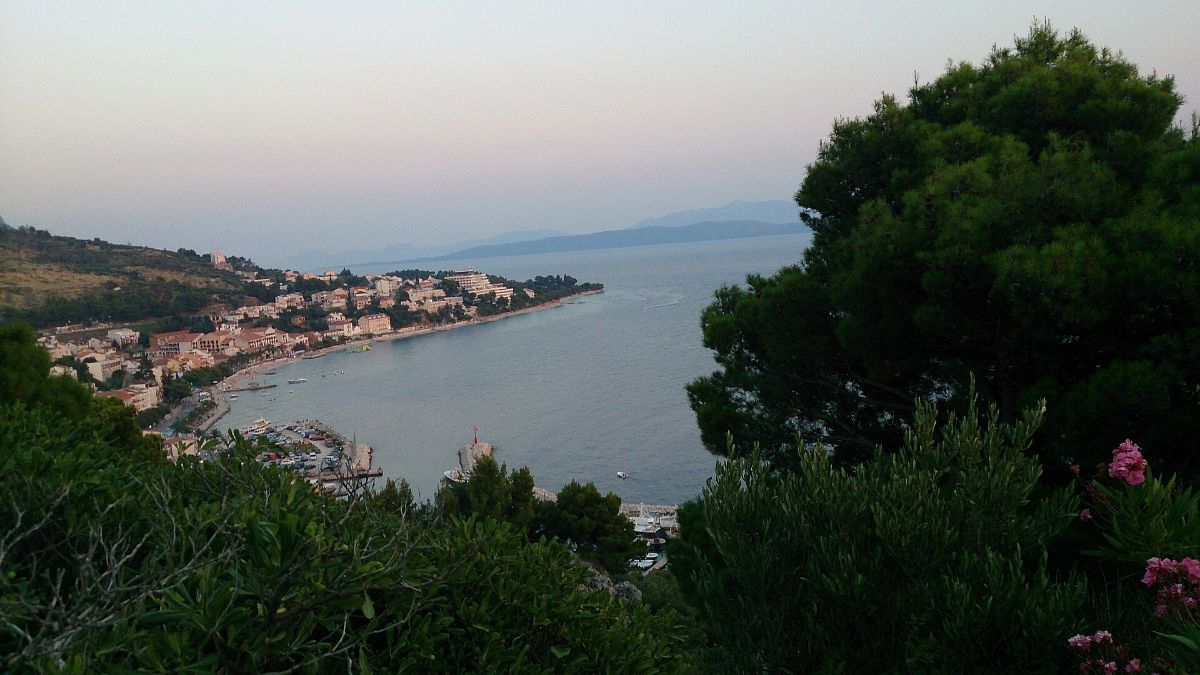
People lived here as early as the Stone Age. Neolithic impresso pottery has been found on the slopes of Biokovo, and prehistoric stone mounds (gomile) still stand near the Seagull Wings monument, at Strupina and on the Supin hill.
In Roman times the coast was busy with ships: Roman pottery, coins and many amphorae have been discovered at Bristica and other sites around Podgora.
Between the Ottomans and Venice
Medieval tombstones from the 14th and 15th centuries, decorated with swords and shields, were found at the Sutikla cemetery. At the end of the 15th century the whole Makarska coast fell under Ottoman rule – the remains of a tower from that time can still be seen at Srida sela.
After the Christian victory at Lepanto in 1571, Podgora placed itself under the protection of Venice – the first written mention of the village. Ottoman censuses still counted 80 houses in 1624 and 125 houses in 1690, and during the Candian War the people of Podgora fought on the Venetian side.
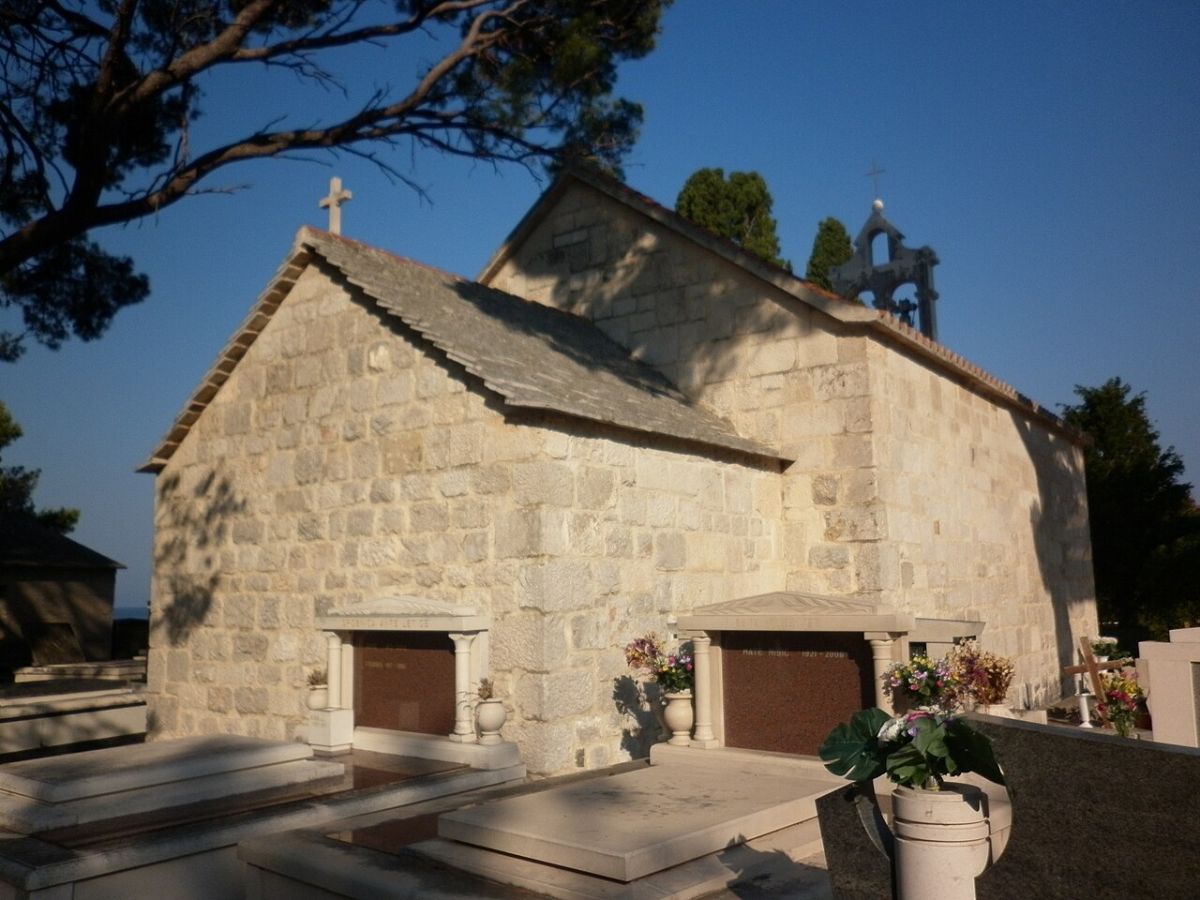
The Church of St. Tekla dates from this period. Legend says it is named after a young girl, Tekla, who died at sea and whose father refused to give her a sailor’s burial in the waves.
Life in the old village
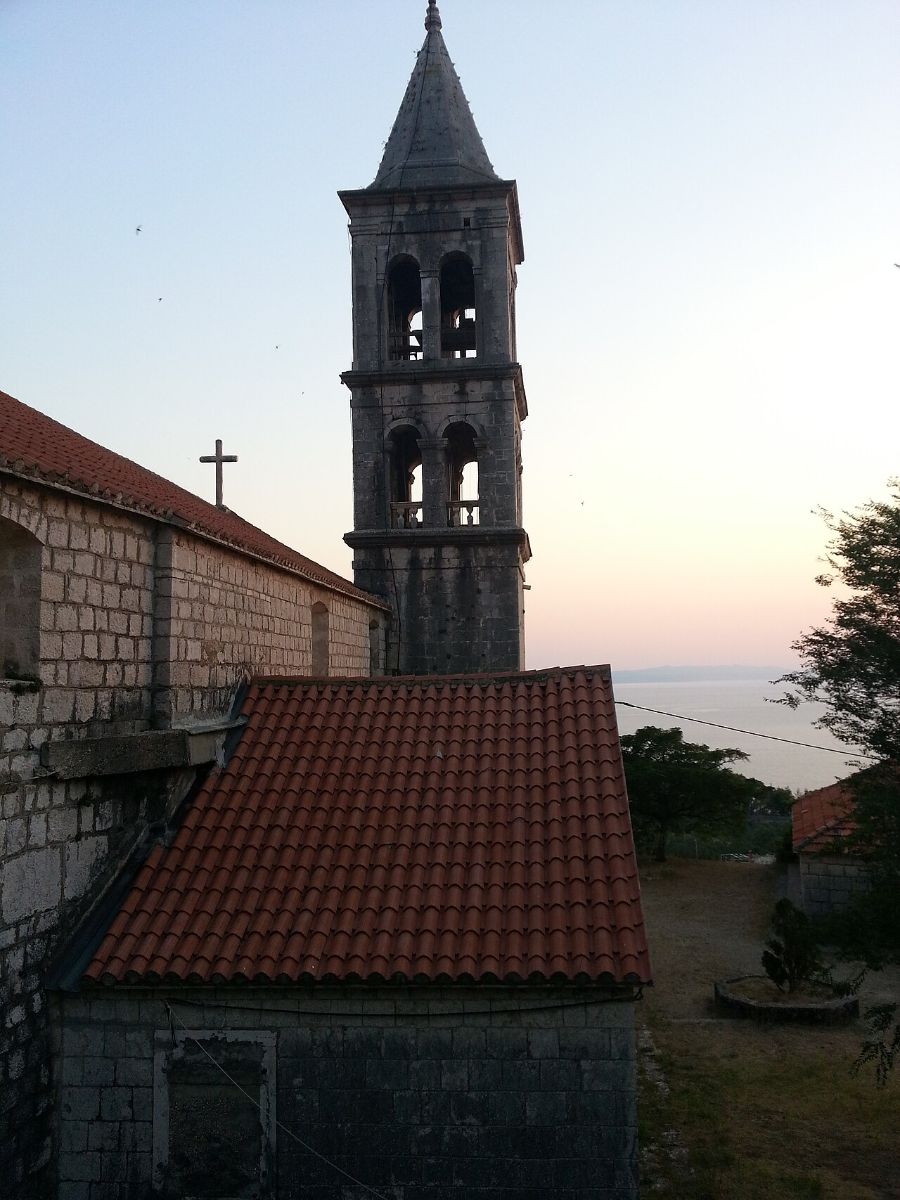
For centuries Podgora was not on the shore but higher up the hillside, in hamlets that locals simply called Selo (“the village”). Its heart was the baroque Church of All Saints, whose bell tower was built in 1764.
Wars had emptied much of the area, and around 1817 new families arrived from the Imotski region and Herzegovina. By 1828 the parish counted 955 inhabitants in 194 households. Families lived from olives, vines and figs on terraces held by dry-stone walls – and from fishing, which fed generations. Down by the sea, a small harbour slowly grew into the centre of today’s Podgora.
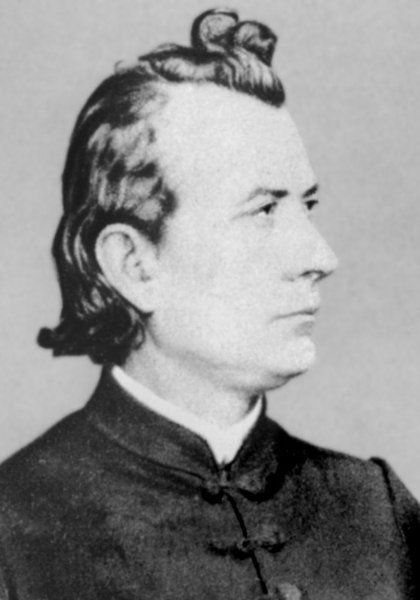
Don Mihovil Pavlinović
Podgora’s most famous son was a priest, writer and politician. In the Dalmatian Diet he was the first to speak in Croatian, and he spent his life campaigning for Dalmatia to be united with the rest of Croatia.
He is buried in his native Podgora, where a monument honours his memory.
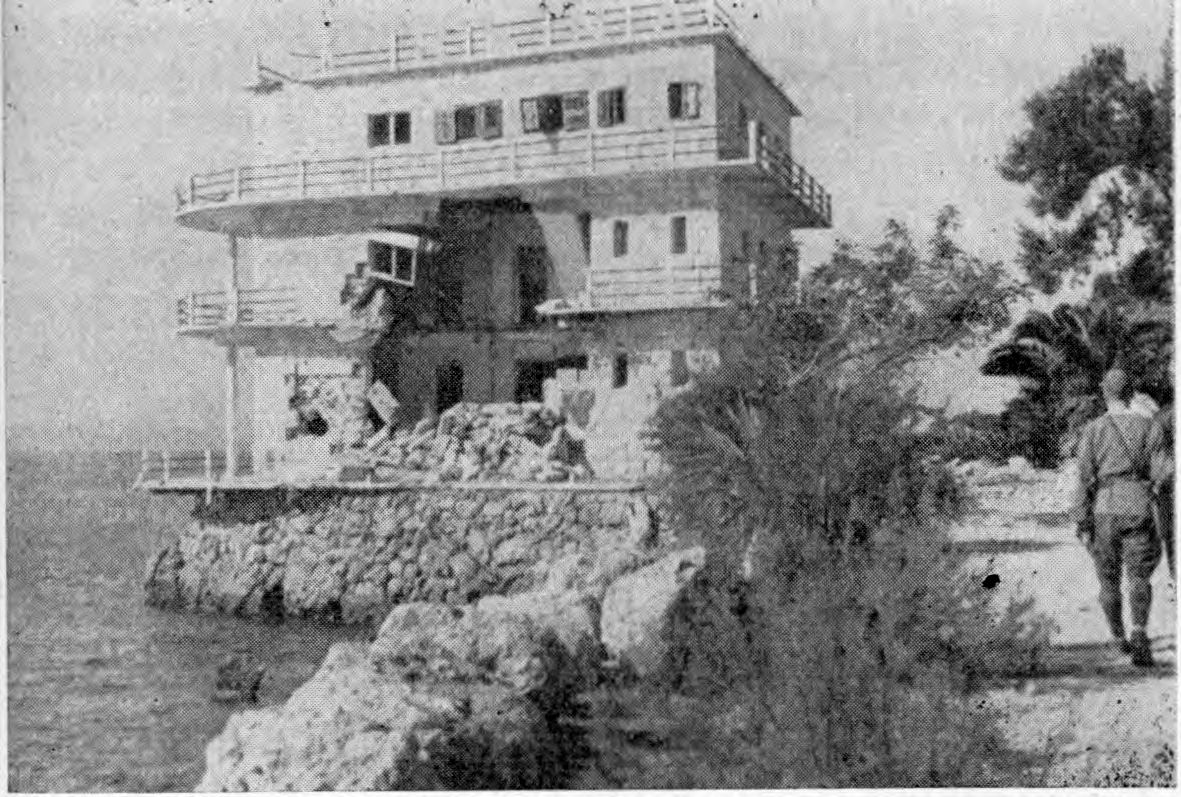
The first hotel – the birth of tourism
In 1922 the first hotel, Praha, opened its doors, and organised tourism in Podgora began – earlier than in most other places in Dalmatia. Guests came for the clear sea, the pebble beaches and the shade of the pine trees, and villas began to appear along the shore.
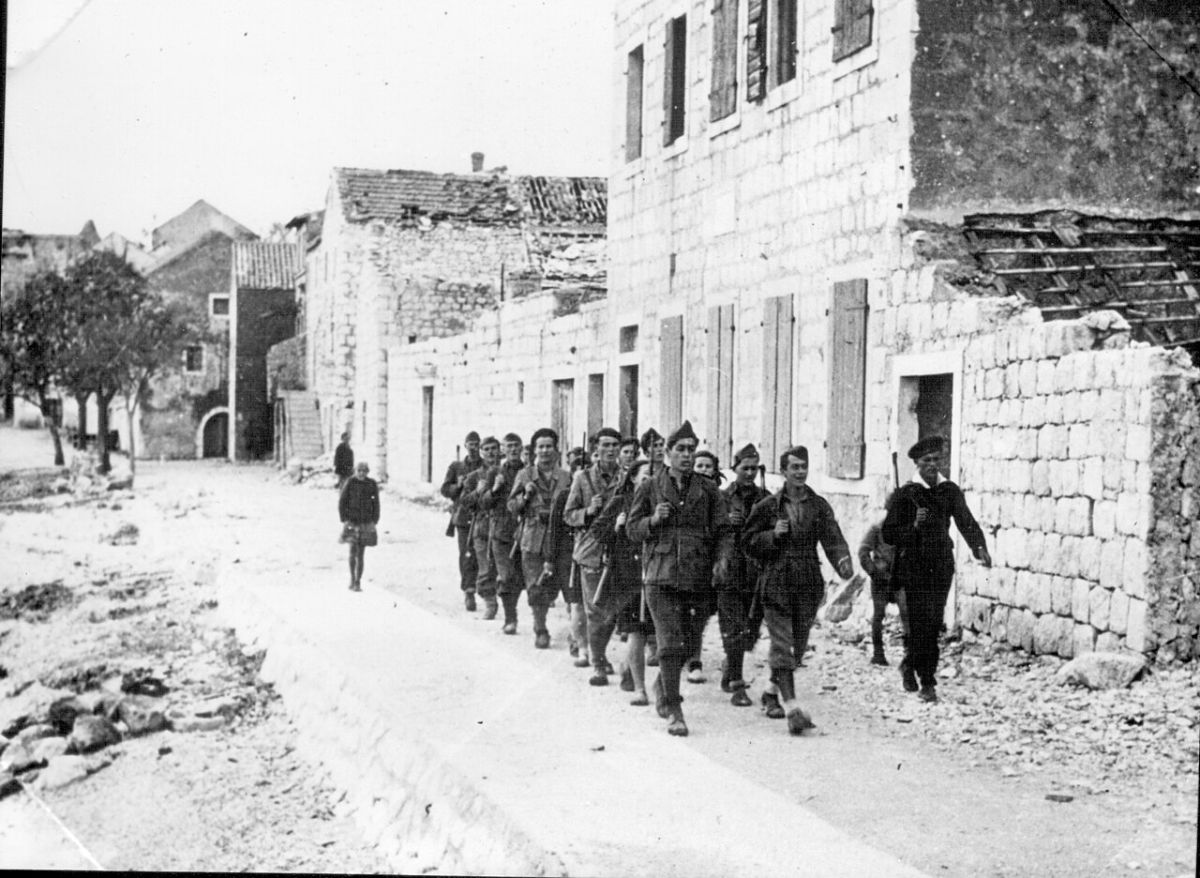
Where a navy was born
During the Second World War, on 10 September 1942, the first Partisan naval detachment was founded in Podgora. It started with just a handful of men and a couple of wooden fishing boats, raiding enemy supply ships along the coast.
The village paid a high price – it was shelled from the sea, and many of its young people never came home.
The earthquake and the move to the sea
In January 1962 two strong earthquakes shook the Makarska Riviera. In Podgora alone, 111 buildings collapsed, and the old hillside village was badly damaged.
Instead of rebuilding up on the slopes, most families built new homes down by the sea. That decision shaped the Podgora of today – a town that turned completely towards the sea and tourism.
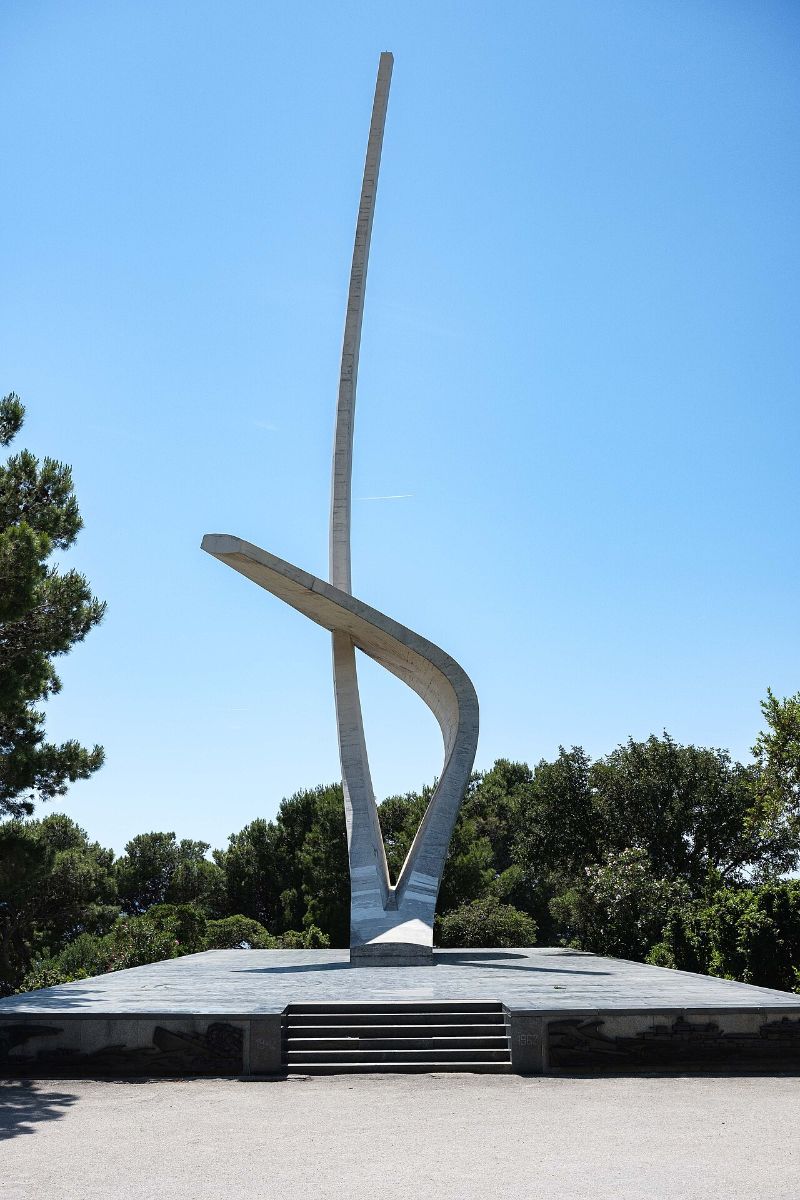
On 10 September 1962, exactly twenty years after the navy was founded, the Seagull Wings monument by sculptor Rajko Radović was unveiled on the hill above the harbour. It is still the symbol of Podgora.
Podgora today
Today Podgora is a relaxed seaside town with a fishing harbour, a long promenade, pebble beaches and hotels, villas and apartments for every kind of guest. Above it, the old hamlets of upper Podgora are slowly coming back to life as their stone houses and churches are restored.
Walk up to the Seagull Wings at sunset, visit St. Tekla above the sea, or follow the old paths into the Biokovo Nature Park – and you will be walking through thousands of years of history.